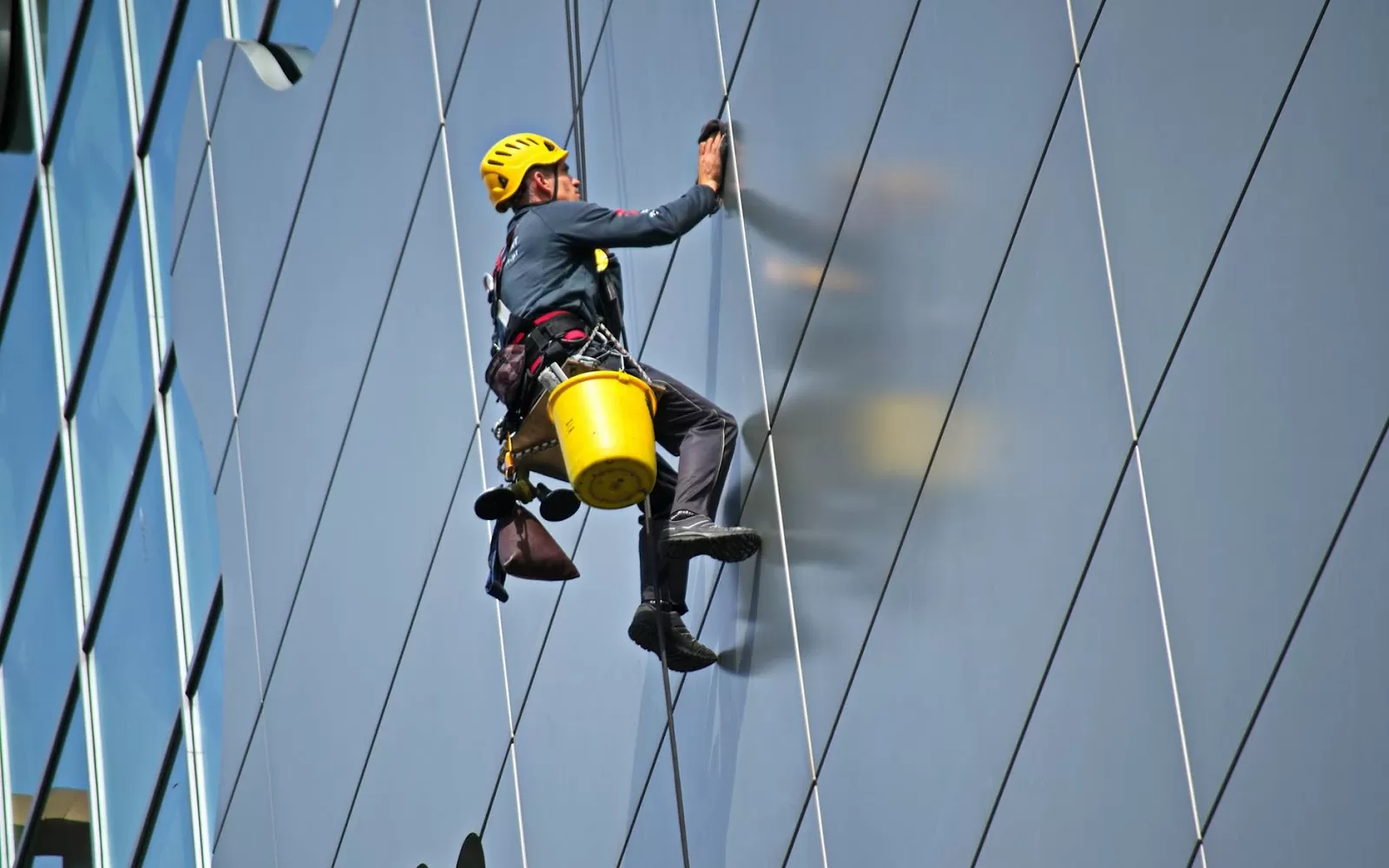
Singapore’s skyline continues to feature commercial towers, residential developments, hotels, industrial facilities, and other high-rise structures. Keeping these buildings clean, functional, and well-maintained requires more than routine ground-level maintenance. Exterior glass, façades, structural components, and elevated fixtures require dependable access solutions that allow trained workers to perform essential tasks at height.
Building maintenance systems in Singapore provide a practical approach for managing these requirements. Such systems can give maintenance teams controlled access to elevated areas while supporting work such as façade cleaning, glass replacement, inspections, repairs, and exterior restoration.
For building owners, facility managers, property managers, construction companies, and maintenance contractors, selecting the right access system requires careful consideration of building design, work requirements, worker protection, equipment capacity, and long-term operating needs.
GROXX GEARS provides heavy-duty industrial equipment and high-rise safety solutions designed for demanding construction and maintenance applications. Its range covers fall protection, rigging equipment, precision components, and building maintenance solutions designed around the requirements of high-rise structures.
What Are Building Maintenance Systems?
Building maintenance systems in Singapore refer to specialized equipment and access arrangements designed to help workers reach and maintain elevated sections of a building. These systems are particularly useful for structures where exterior maintenance cannot be performed safely or efficiently from ground level.
A building maintenance system may include a Building Maintenance Unit (BMU), suspended access equipment, roof access equipment, anchoring systems, horizontal lifelines, vertical lifelines, and fall protection components. The exact configuration depends on the structure, façade design, roof layout, maintenance tasks, and access points.
A properly planned system can give maintenance personnel a controlled method for reaching difficult areas. This can support regular cleaning, inspection, repair, and restoration work while reducing dependence on temporary access arrangements.
For high-rise properties, building maintenance systems in Singapore can become part of a long-term facility management strategy rather than serving as equipment for a single maintenance project.
Why High-Rise Buildings Need Reliable Maintenance Access Systems
High-rise structures present access challenges that are not common with low-rise buildings. Exterior façades may extend across dozens of floors, while architectural features can create areas that are difficult to reach using conventional equipment.
Routine maintenance may involve:
- Window and glass cleaning
- Façade inspection
- Glass replacement
- Exterior repairs
- Structural inspections
- Sealant and joint maintenance
- Painting and restoration
- Exterior fixture maintenance
- Building condition assessments
Without an appropriate access solution, these activities can become more complicated, time-consuming, and difficult to coordinate.
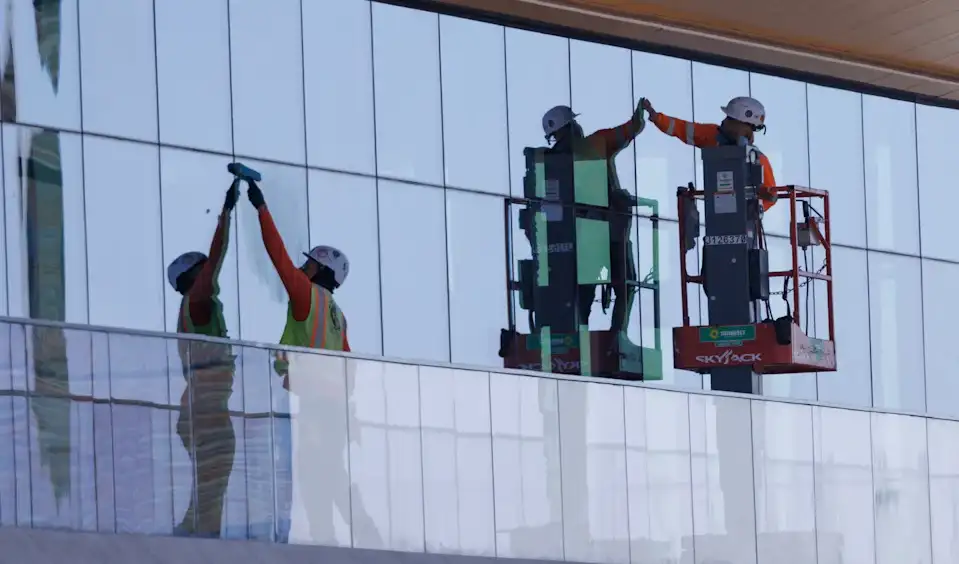
Building maintenance systems in Singapore can provide dedicated access to elevated work areas. A suitable system can help workers reach designated sections of a façade while maintaining controlled equipment movement and supporting appropriate fall protection measures.
Singapore’s tropical climate also creates recurring exterior maintenance needs. Rainfall, humidity, heat, and environmental exposure can affect exterior surfaces and components over time. Regular inspection and maintenance can help building operators identify issues before they develop into larger maintenance concerns.
Key Components of Building Maintenance Systems
Different properties require different equipment configurations. Several components are commonly associated with building maintenance systems in Singapore.
Building Maintenance Units (BMUs)
A Building Maintenance Unit is a permanent access system designed to support maintenance work on high-rise façades. Depending on its configuration, a BMU can provide controlled movement along the exterior of a building.
BMUs may support activities such as:
- Window cleaning
- Façade inspection
- Glass replacement
- Exterior repair
- Building restoration
- Routine façade maintenance
A BMU can be designed around a building’s architecture and required access points. Its configuration may include rails, platforms, hoists, control mechanisms, and other components suited to the structure.
Suspended Access Systems
Suspended access equipment can provide another method for reaching elevated façades. Such systems may be useful where traditional scaffolding is impractical due to building height, façade design, limited ground space, or project requirements.
Suspended platforms can allow trained maintenance personnel to work along vertical surfaces while carrying appropriate tools and equipment.
For properties with complex exterior designs, building maintenance systems in Singapore may incorporate suspended access solutions as part of a broader high-rise maintenance strategy.
Fall Arrest and Fall Protection Systems
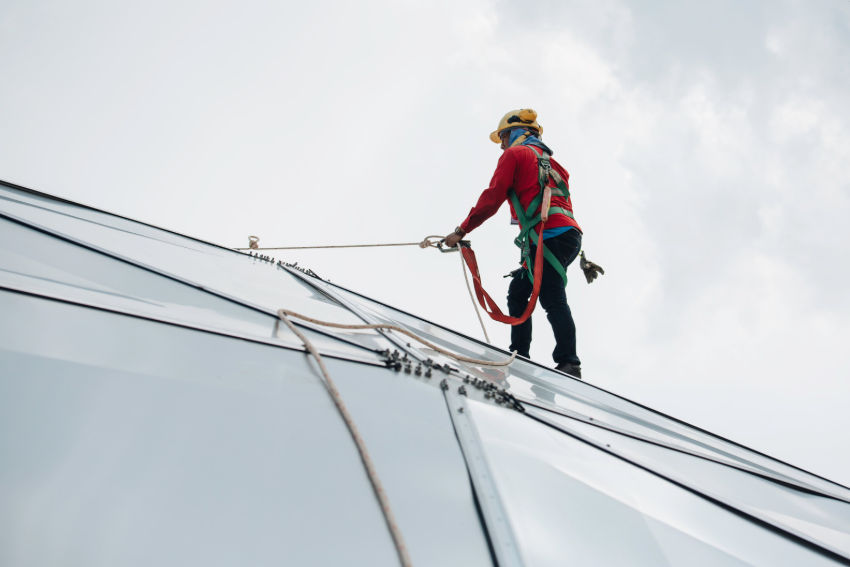
Access equipment should be supported by suitable worker protection measures. Fall protection systems can help reduce the consequences associated with falls from elevated work areas when correctly selected, installed, inspected, and used.
Depending on the application, systems may include:
- Fall arrest anchors
- Horizontal lifelines
- Vertical lifelines
- Full-body harnesses
- Connecting devices
- Roof safety systems
- Worker positioning equipment
The appropriate arrangement depends on the work environment and applicable safety requirements. Professional system design is essential when access equipment and fall protection components must work together.
Horizontal and Vertical Lifelines
Horizontal lifelines can support worker movement across designated roof areas or elevated surfaces. Vertical lifelines may support access along ladders, towers, and other vertical routes.
These systems can provide workers with a connection point while they move through areas where fall hazards may exist.
When incorporated properly, lifelines can complement building maintenance systems in Singapore by providing additional protection for personnel carrying out elevated maintenance activities.
How GROXX GEARS Supports High-Rise Building Maintenance
GROXX GEARS supplies heavy-duty industrial equipment and high-rise safety solutions for construction, maintenance, and other demanding applications.
Its product range covers areas such as:
- Fall protection systems
- High-rise safety equipment
- Building maintenance systems
- Rigging equipment
- Precision fasteners
- Access solutions
- Industrial components
The company focuses on equipment designed for challenging work environments where durability, precision, and dependable performance matter.
For high-rise projects, GROXX GEARS can support requirements involving access, fall protection, and related industrial equipment. Its approach combines practical system requirements with engineering considerations relevant to demanding construction and maintenance environments.
Engineering Quality Matters for High-Rise Maintenance Equipment
High-rise maintenance equipment must withstand demanding operating conditions. Components may experience repeated use, mechanical loads, environmental exposure, and frequent movement.
Material selection is therefore an important consideration. GROXX GEARS highlights the use of high-strength alloys and advanced heat-treatment processes for selected products. Such engineering approaches can support durability and mechanical performance.
Precision manufacturing also matters. GROXX GEARS uses CNC grinding and hobbing equipment for gear-related manufacturing, with attention given to tight tolerances and AGMA quality levels.
For equipment supporting high-rise maintenance activities, manufacturing accuracy can affect movement, mechanical operation, fit, and long-term equipment performance.
A building owner or facility manager evaluating building maintenance systems in Singapore should therefore consider more than the basic appearance of equipment. Material quality, engineering, manufacturing accuracy, system compatibility, inspection requirements, and service support can all affect the suitability of a solution.
Customized Building Maintenance Solutions for Different Structures
No two high-rise buildings have exactly the same façade, roof configuration, or maintenance requirements. A system designed for one property may not be suitable for another without engineering adjustments.
Factors that may affect system design include:
- Building height
- Façade geometry
- Roof configuration
- Available access points
- Structural conditions
- Maintenance frequency
- Equipment load requirements
- Worker movement requirements
- Existing safety infrastructure
- Required operating areas
For this reason, building maintenance systems in Singapore should be assessed according to the individual property rather than selected solely from a standard equipment list.
A customized approach can help align access equipment with the building’s actual maintenance requirements. This may be especially important for properties with curved façades, recessed sections, architectural projections, glass curtain walls, or other complex exterior features.
Applications of Building Maintenance Systems Across Singapore
Commercial Buildings
Office towers and commercial developments often require regular exterior cleaning, inspection, and repair. Glass façades can accumulate dirt and environmental deposits, while joints, fixtures, and exterior components may require periodic inspection.
Building maintenance systems in Singapore can give maintenance teams access to these areas without relying solely on temporary ground-based equipment.
Residential High-Rise Properties
Condominiums and apartment towers also require ongoing façade and exterior maintenance. Window cleaning, inspection, repair work, and exterior restoration can become challenging as building height increases.
A permanent access system can support recurring maintenance requirements and help property management teams coordinate exterior work.
Hotels
Hotels often place significant importance on building appearance and guest experience. Exterior glass, façades, windows, and architectural features require regular attention.
Suitable building maintenance systems in Singapore can help maintenance teams access elevated exterior areas for cleaning, inspection, and repair activities.
Industrial and Specialized Structures
Industrial facilities and specialized buildings may have elevated equipment, structures, roofs, or exterior areas requiring inspection and maintenance.
Access and fall protection requirements can vary significantly depending on the facility. A properly assessed system can help workers reach designated areas while supporting appropriate safety measures.
Benefits of Properly Designed Building Maintenance Systems
A properly designed access solution can provide several operational advantages for property owners and maintenance teams.
Safer Access to Elevated Areas
Dedicated access equipment can provide controlled routes to areas that would otherwise be difficult to reach.
Improved Worker Mobility
Appropriate platforms, lifelines, and access equipment can help trained personnel move around designated work areas with greater control.
More Efficient Maintenance Activities
A suitable access system can reduce unnecessary setup time associated with temporary access arrangements, depending on the project requirements.
Support for Recurring Maintenance
Permanent systems can be particularly useful for buildings that require regular façade cleaning, inspection, and repair.
Better Access Planning
A dedicated system gives facility managers a clearer framework for planning maintenance activities across different sections of a building.
Long-Term Property Support
Regular access to exterior surfaces can make routine inspections and maintenance easier to schedule. This can help property teams identify maintenance requirements and organize appropriate repair work.
What to Consider Before Choosing Building Maintenance Systems in Singapore
Selecting building maintenance systems in Singapore requires more than comparing equipment specifications. Building owners and facility managers should evaluate the complete application.
1. Building Structure and Façade Design
Review the building’s height, façade geometry, roof configuration, and available access points.
2. Required Access Locations
Determine which sections of the property require regular access. Areas that are difficult to reach may require specialized equipment.
3. Worker Safety Requirements
Assess the fall hazards associated with each work area and determine which protective systems are appropriate.
4. Equipment Capacity
Consider the required working load, platform capacity, equipment weight, and other applicable load requirements.
5. Maintenance Tasks
Identify whether the system will support cleaning, inspection, glass replacement, repairs, restoration, or multiple activities.
6. System Durability
High-rise equipment may face repeated operation and environmental exposure. Material quality and construction should therefore receive careful attention.
7. Installation Requirements
Consider how the equipment will integrate with the building structure and existing infrastructure.
8. Inspection and Maintenance
Access systems themselves require proper inspection and maintenance. Owners should establish suitable procedures based on manufacturer requirements and applicable safety standards.
9. Compatibility With Existing Safety Equipment
Lifelines, anchors, harnesses, access equipment, and other components should be assessed as part of a coordinated safety arrangement.
10. Supplier Experience
Choose a supplier with suitable knowledge of high-rise access, industrial equipment, fall protection, and building maintenance requirements.
Building Maintenance Systems and Fall Protection Working Together
Access and fall protection should be considered together when planning elevated maintenance work.
A suspended platform may provide physical access to a façade, but workers may still require suitable fall protection depending on the work area and system configuration. Horizontal lifelines can support movement across certain roof areas, while vertical lifelines may provide protection along vertical access routes.
Anchoring systems can also form part of a broader fall protection arrangement.
Building maintenance systems in Singapore should therefore be assessed as part of a complete work-at-height strategy. Equipment selection, installation, inspection, training, and proper use all contribute to a safer maintenance operation.
GROXX GEARS provides fall protection and high-rise safety equipment that can complement building access requirements. The correct equipment should always be selected according to the specific application and applicable safety requirements.
Why Singapore’s High-Rise Environment Requires Purpose-Built Solutions
Singapore has a highly developed urban environment with numerous high-rise residential, commercial, hospitality, and industrial properties. Many of these buildings feature large glass surfaces, complex façades, architectural projections, and elevated structures.
Regular exterior maintenance is therefore a practical requirement for property owners and facility managers.
Weather conditions also matter. Tropical heat, humidity, rainfall, and environmental exposure can contribute to the need for recurring inspection and cleaning.
These conditions make reliable building maintenance systems in Singapore an important consideration for properties that require frequent access to elevated exterior areas.
Purpose-built equipment can provide a more suitable approach than improvised access arrangements. System selection should reflect the actual building design, work requirements, safety conditions, and maintenance schedule.
Why Choose GROXX GEARS for Building Maintenance Systems in Singapore?
GROXX GEARS provides industrial equipment and high-rise safety solutions for demanding construction and maintenance environments.
Its capabilities cover several areas relevant to high-rise property maintenance, including:
- Building maintenance systems
- Fall protection systems
- High-rise safety equipment
- Horizontal and vertical lifelines
- Rigging equipment
- Precision fasteners
- Industrial engineering solutions
- Customized access requirements
The company places strong attention on durability and engineering quality. Its equipment is intended for environments where dependable performance and robust construction are essential.
For businesses searching for building maintenance systems in Singapore, GROXX GEARS offers a range of solutions that can support high-rise access, façade maintenance, fall protection, and related industrial requirements.
A proper consultation can help determine which equipment and system configuration are appropriate for a specific building. Factors such as building design, maintenance activities, access requirements, structural conditions, and worker protection should all be considered before a system is selected.
Takeaway
Reliable building maintenance systems in Singapore can provide essential access for high-rise façade cleaning, inspection, repair, glass replacement, and other exterior maintenance activities.
BMUs, suspended access equipment, lifelines, fall arrest anchors, and other safety components can serve different roles within a complete high-rise maintenance strategy. Selecting the right combination requires careful assessment of building structure, façade design, access points, equipment capacity, maintenance tasks, worker protection, and long-term service requirements.
GROXX GEARS offers heavy-duty industrial equipment, high-rise safety solutions, fall protection systems, rigging equipment, and building maintenance solutions for demanding construction and maintenance environments.
For property owners, facility managers, contractors, and maintenance specialists seeking building maintenance systems in Singapore, choosing equipment based on the actual requirements of the building can support safer, more controlled, and more efficient high-rise maintenance operations.
Frequently Asked Questions About Building Maintenance Systems in Singapore
What are building maintenance systems used for?
Building maintenance systems in Singapore are used to provide access to elevated areas of high-rise structures. Common applications include façade cleaning, window cleaning, glass replacement, inspections, exterior repairs, and restoration work.
What is a Building Maintenance Unit?
A Building Maintenance Unit, commonly called a BMU, is a permanent building access system designed to support exterior maintenance work. A BMU may include equipment such as rails, platforms, hoists, and control mechanisms suited to a building’s structure.
Are BMUs suitable for every high-rise building?
Not necessarily. BMU suitability depends on factors such as building height, façade design, roof configuration, structural requirements, access points, maintenance tasks, and equipment capacity. Professional assessment should be carried out before selecting a BMU.
What safety equipment can work alongside a building maintenance system?
Depending on the application, safety equipment may include fall arrest anchors, horizontal lifelines, vertical lifelines, harnesses, connecting devices, and other work-at-height protection equipment.
Can building maintenance systems be customized?
Yes. Building maintenance systems in Singapore can be designed or configured according to the characteristics and maintenance requirements of a specific property. Complex façades and unusual roof layouts may require specialized engineering considerations.
How often should building maintenance equipment be inspected?
Inspection frequency depends on equipment type, manufacturer requirements, usage, operating conditions, and applicable workplace safety requirements. Building owners should establish suitable inspection and maintenance procedures for each system.
Why are fall protection systems important for high-rise maintenance?
High-rise maintenance involves elevated work areas where falls can result in serious injury. Appropriate fall protection systems can help manage fall hazards when correctly selected, installed, inspected, and used by trained personnel.
Why should building owners work with an experienced supplier?
A knowledgeable supplier can help assess equipment requirements, building access challenges, fall protection needs, and system compatibility. This can help property teams select equipment that matches their actual maintenance activities.