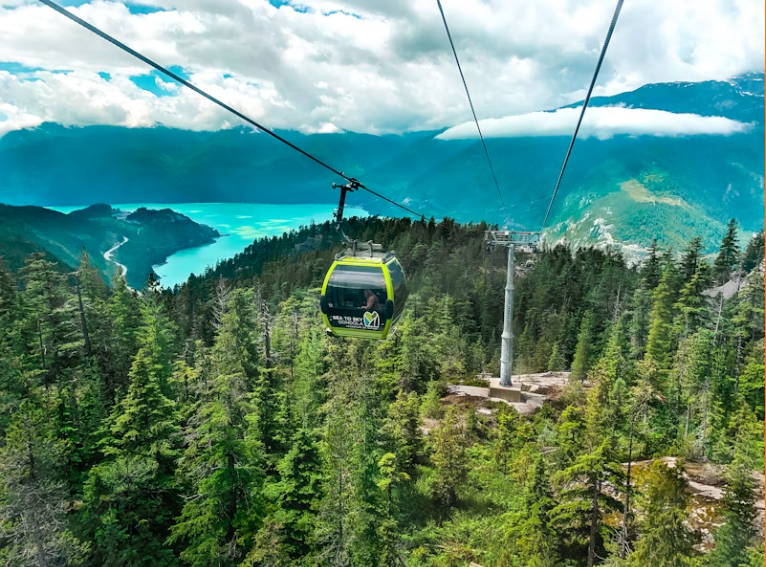
Working at height presents demanding challenges for construction teams, facility managers, industrial operators, infrastructure developers, and maintenance crews. Tall structures, difficult terrain, large industrial facilities, bridges, and other elevated work areas often require access systems that go beyond conventional ladders or scaffolding.
Ropeway access Philippines solutions offer a specialized approach for projects that require controlled movement along cable-based systems. Proper design can support personnel access, equipment movement, maintenance activities, and other specialized operations where site conditions make conventional access methods impractical.
A ropeway system should never be treated as a simple collection of cables and hardware. Its design requires careful attention to site conditions, structural capacity, cable configuration, loads, movement requirements, safety provisions, installation, inspection, and maintenance.
828 Cable System Inc. specializes in rope, height, and load engineering. Its service portfolio covers fall protection, height access solutions, ropeway engineering, zipline engineering, cable engineering, and load engineering across the Philippines and Asia.
What Is Ropeway Access?
Ropeway access refers to an engineered cable-based system designed to provide controlled movement across elevated, difficult, or specialized locations. Depending on project requirements, a system may support people, equipment, materials, or specialized transportation functions.
For a ropeway access Philippines project, engineers must consider the purpose of the system, site layout, cable route, structural supports, expected loads, environmental exposure, movement requirements, and applicable safety measures.
Unlike a basic access product, a ropeway system forms part of a larger engineered solution. Cable selection, support points, anchorage, movement components, load requirements, and operating procedures must work together.
This makes professional engineering particularly important for projects involving significant heights, long cable spans, heavy loads, public access, industrial operations, or difficult terrain.
How Ropeway Systems Support Height Access
A properly designed ropeway system can provide controlled movement along a defined cable route. This can help address access requirements across locations where conventional equipment may have practical limitations.
Possible applications include:
- High-rise building maintenance
- Inspection work
- Industrial maintenance
- Infrastructure access
- Difficult terrain
- Specialized transportation
- Cable-supported recreational systems
- Equipment or material movement
The exact system configuration depends on project requirements. A qualified engineering team can assess the site and determine which approach fits the intended operation.
Ropeway Access Compared With Conventional Access
Scaffolding, ladders, aerial work platforms, suspended platforms, and building maintenance systems each have specific applications. Ropeway access may offer a different solution when a project requires cable-supported movement across a defined route.
Factors worth comparing include:
- Site geometry
- Required reach
- Working height
- Terrain
- Installation requirements
- Equipment mobility
- Structural capacity
- Operating conditions
- Maintenance requirements
- Safety provisions
The right solution should come from an engineering assessment rather than a one-size-fits-all selection process.
Where Ropeway Access Can Be Used Across the Philippines
The Philippines has diverse construction, industrial, commercial, infrastructure, tourism, and property-development environments. These settings can create access challenges that require specialized engineering.
A ropeway access Philippines system may be considered for projects where elevated movement, difficult terrain, or specialized cable transportation forms part of the operational requirement.
High-Rise Buildings and Building Maintenance
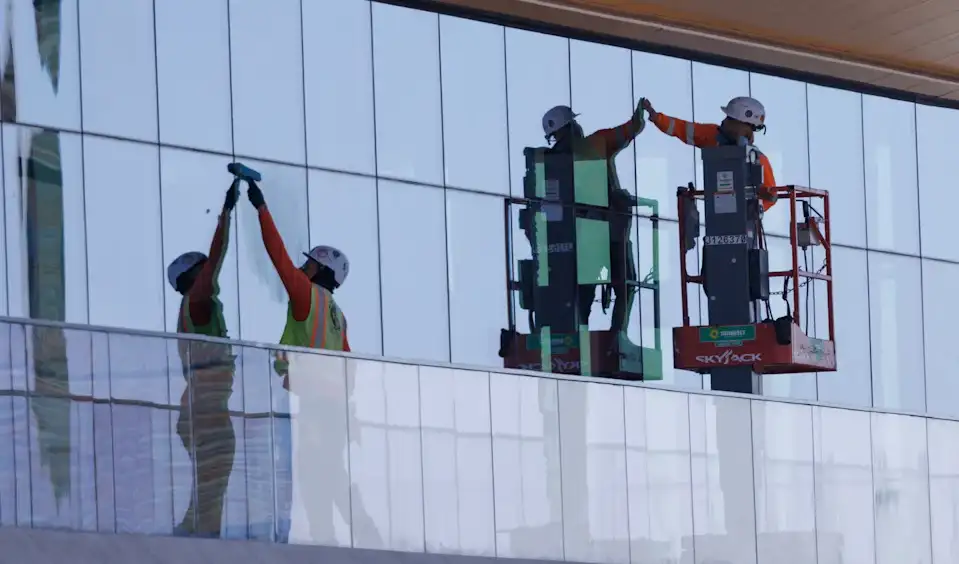
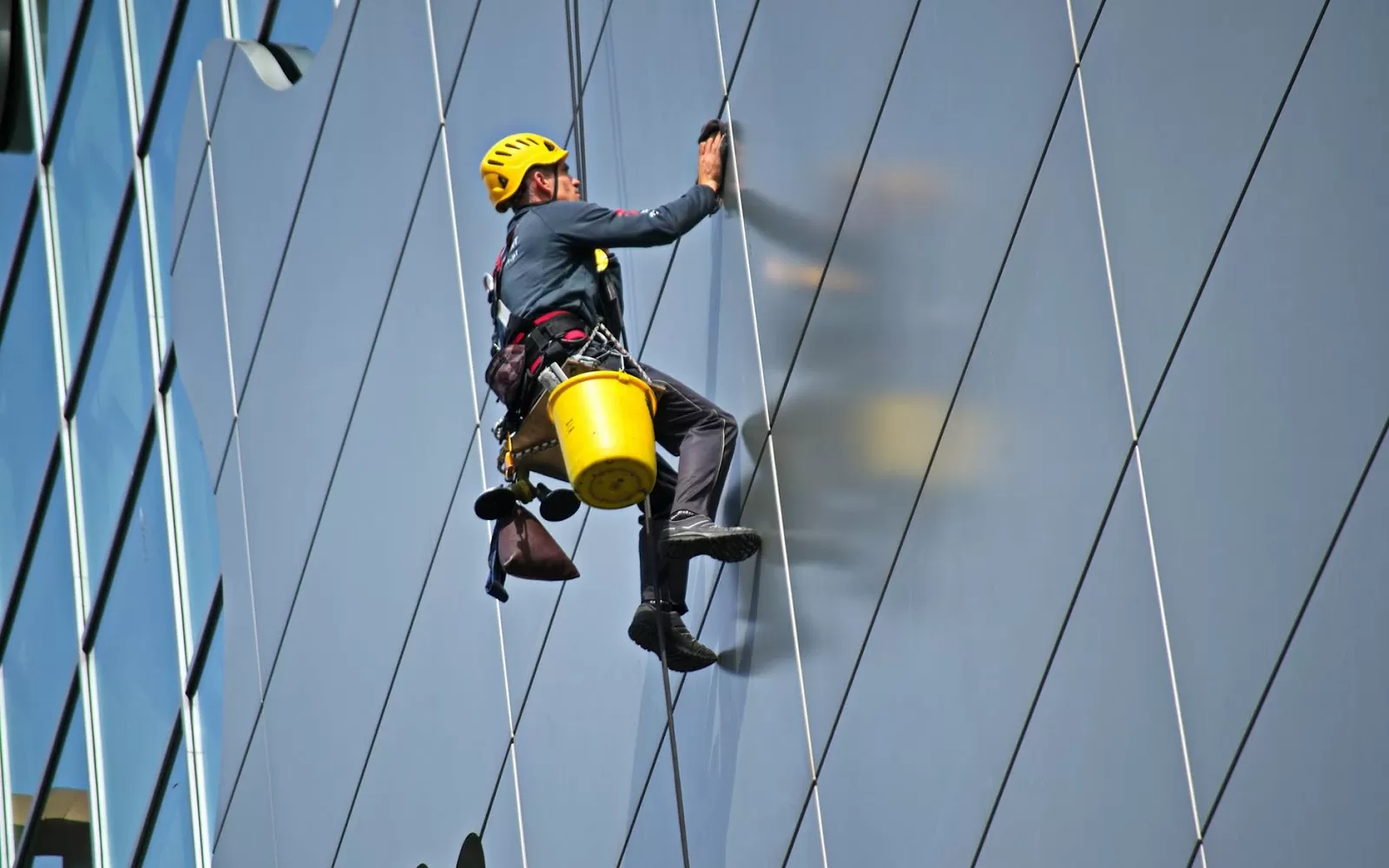
Tall buildings require regular inspection, cleaning, repair, façade maintenance, and other exterior work. Reaching certain sections of a structure can become difficult when ground-based equipment has limited reach or when surrounding conditions restrict equipment placement.
Rope-based and cable-supported access systems can form part of a building maintenance strategy when properly engineered for the structure and intended work.
Relevant activities may include:
- Façade inspection
- Exterior cleaning
- Structural inspection
- Repair work
- Maintenance activities
- Access to difficult façade sections
The supplied reference materials also feature building maintenance systems designed for cleaning, inspection, and maintenance of buildings and structures.
Industrial Facilities
Factories, processing facilities, warehouses, power-related structures, and other industrial environments may contain elevated equipment, large structures, tanks, platforms, or hard-to-reach areas.
A ropeway access Philippines solution may support specialized access requirements where traditional equipment cannot provide practical coverage.
Before system selection, engineers should assess:
- Existing structures
- Cable routes
- Equipment locations
- Working loads
- Access points
- Environmental exposure
- Operational restrictions
- Worker safety requirements
Infrastructure and Challenging Terrain
Infrastructure projects can extend across areas with slopes, gaps, waterways, large structures, or difficult ground conditions. Cable-based systems may provide practical movement routes where ground transportation or conventional access equipment creates logistical challenges.
Potential project environments include large structures, bridges, elevated facilities, remote areas, and specialized sites.
Each project requires its own engineering assessment. Terrain, structural conditions, cable span, load requirements, and operational objectives can significantly affect system design.
Key Components of a Ropeway Access System
A ropeway access Philippines system can contain multiple engineered components that must work together as one functional system.
Cables and Wire Rope
Cable selection represents a major part of ropeway engineering. Engineers may consider:
- Required load
- Cable length
- Span
- Tension
- Movement
- Environmental exposure
- Operating cycles
- Hardware compatibility
The cable must suit the intended application and work with the rest of the system.
828 Cable System Inc. was established within the Benedicto Steel Group to provide services for the rigging industry, including wire-rope-related projects involving fall protection, height access, and ropeway engineering.
Anchors and Support Structures
Cable systems require suitable support points capable of handling expected forces. Structural attachment must account for the loads transferred through the system.
Depending on project design, this may involve:
- Anchor points
- Support structures
- Connection hardware
- Structural members
- Cable termination components
- Specialized fittings
A professional assessment helps establish whether existing structures can support the proposed system or whether additional structural work may be required.
Carriers, Trolleys, and Movement Components
A ropeway system may use specialized movement components that travel along a cable route. The choice depends on the intended function, load, route geometry, operating conditions, and system design.
Movement components should work smoothly with cable specifications and support structures. Proper engineering also considers operational control, stopping arrangements, access points, and maintenance requirements.
Safety and Fall Protection Components
Height access should be considered alongside worker protection.
Depending on project requirements, safety provisions may include:
- Full-body harnesses
- Fall arrest systems
- Lifelines
- Anchors
- Connectors
- Lanyards
- Rescue equipment
- Access control measures
The supplied reference materials feature fall arrest systems and building maintenance systems as part of a broader industrial safety offering.
Why Ropeway Engineering Matters
Selecting cable equipment without proper engineering can create unnecessary risks and operational problems. Ropeway systems must account for forces, loads, structural conditions, movement, environmental factors, and intended use.
A professional ropeway access Philippines project should start with engineering rather than equipment selection alone.
Site Assessment
Site assessment helps establish the conditions that will shape system design.
An engineering team may review:
- Building or structural dimensions
- Cable routes
- Available support points
- Access and exit locations
- Terrain
- Environmental conditions
- Existing structures
- Equipment requirements
- Worker movement
- Maintenance requirements
A clear understanding of the site allows the proposed system to match actual operating conditions.
Load Engineering
Load engineering is essential for ropeway systems because cables, anchors, supports, and structural components must handle expected forces.
Relevant considerations may include:
- Personnel loads
- Equipment weight
- Material loads
- Dynamic forces
- Cable tension
- Structural capacity
- Operating conditions
- Safety factors
828 Cable System Inc. also provides load engineering services, including solutions associated with overhead cranes, gantry cranes, jib cranes, and automatic hooks.
Cable Engineering
Cable engineering focuses on the behavior and requirements of the cable system.
Engineers may assess:
- Cable type
- Cable diameter
- Span
- Tension
- Deflection
- Support arrangement
- Termination
- Hardware compatibility
- Environmental exposure
These factors can affect system performance and service life.
System Design and Installation
Engineering does not stop at selecting components. System design should translate project requirements into a practical installation plan.
Installation may involve:
- Site assessment
- Engineering review
- System design
- Component selection
- Structural preparation
- Installation
- Testing and inspection
- Commissioning
- Maintenance planning
The exact process depends on the project scope and system type.
Ropeway Access and Fall Protection Should Work Together
Ropeway access and fall protection address related but distinct requirements. A cable-based access system may provide movement, while fall protection equipment can help protect personnel against falls from height.
A strong ropeway access Philippines plan should consider both access and worker safety from the earliest project stage.
Fall Arrest Systems
Fall arrest systems are designed to help protect workers who may be exposed to fall hazards.
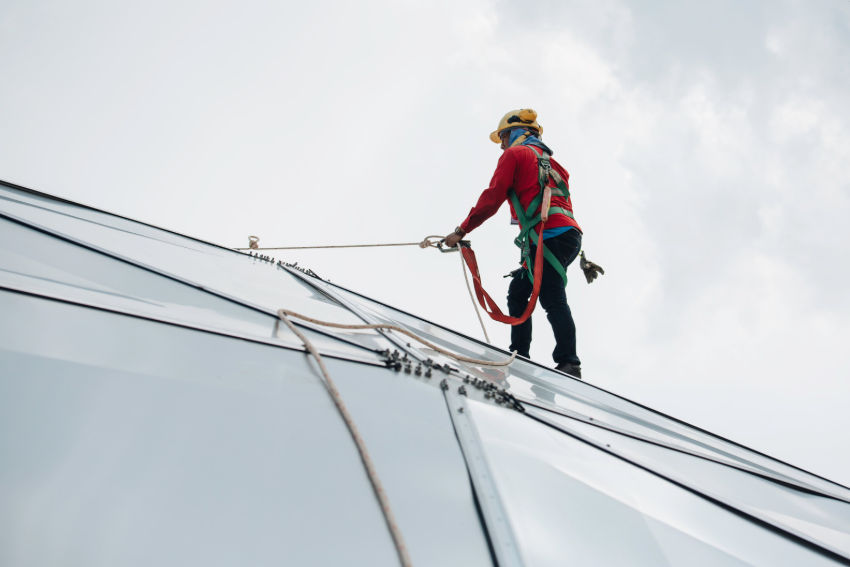
Reference materials associated with the supplied files show fall arrest systems featuring harnesses, lanyards, anchor points, and lifeline arrangements.
The appropriate configuration depends on the work environment, system design, worker movement, and applicable requirements.
Anchors and Lifelines
Anchorage provides a critical connection point for fall protection equipment. Lifelines may provide continuous or controlled attachment where workers move across designated work areas.
Both require appropriate engineering, installation, inspection, and maintenance.
Worker Access and Emergency Planning
A height access project should also consider what happens if normal operations are interrupted.
Planning may address:
- Entry and exit
- Equipment inspection
- Worker training
- Rescue procedures
- Emergency access
- Communication
- Equipment recovery
- Maintenance procedures
These considerations help create a more complete approach to working at height.
Ropeway Engineering vs. Zipline Engineering
Ropeway engineering and zipline engineering both involve cable-based systems, but their purposes and design requirements can differ.
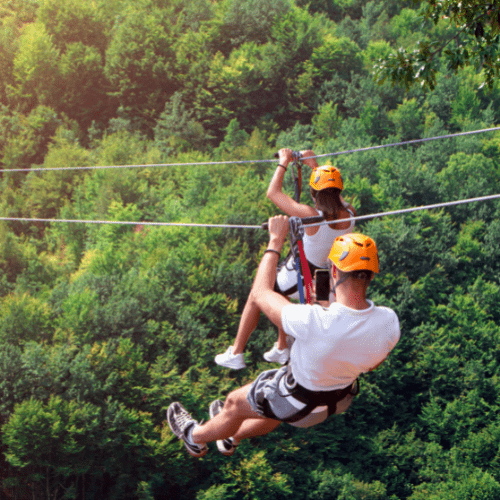
A ropeway may serve transportation or access functions along an engineered route, while a zipline commonly focuses on controlled travel between elevated points.
Key differences may involve:
- Intended use
- Passenger movement
- Work access
- Cable configuration
- Load requirements
- Route geometry
- Operating controls
- Safety systems
- Structural supports
828 Cable System Inc. lists both ropeway engineering and zipline engineering among its service capabilities, allowing project requirements to guide the appropriate system concept.
What to Consider When Choosing Ropeway Access Philippines Services
Choosing a provider for a ropeway access Philippines project requires more than comparing equipment prices. Engineering capability, installation experience, safety planning, and technical support should all receive careful attention.
Engineering Experience
Look for a provider with knowledge covering:
- Rope engineering
- Cable engineering
- Height access
- Load engineering
- Fall protection
- Ropeway systems
A provider with related engineering capabilities can assess connected project requirements more effectively.
Project-Specific Design
Every site has different structural, environmental, operational, and access conditions.
A project-specific design can account for:
- Cable routes
- Structural supports
- Loads
- Access requirements
- Equipment
- Worker movement
- Maintenance needs
Safety Planning
Safety should form part of system planning from the start.
Ask how the proposed solution addresses:
- Fall hazards
- Anchorage
- Worker movement
- Emergency situations
- Inspection
- Maintenance
- Rescue
Installation Capability
A technically sound design still requires proper field installation. Installation teams should understand cable systems, structural connections, equipment positioning, and project-specific requirements.
Maintenance and Technical Support
Ropeway systems require ongoing attention after installation. Inspection, maintenance, component replacement, and technical support can help maintain reliable operation throughout the system’s service life.
Why Choose 828 Cable System Inc. for Ropeway Engineering
828 Cable System Inc. was founded within the Benedicto Steel Group to serve the broader rigging industry. Its service scope covers wire-rope-related projects, including Fall Protection, Height Access Solutions, and Ropeway Engineering across the Philippines and Asia.
Its broader engineering portfolio includes:
- Height access solutions
- Fall protection
- Ropeway engineering
- Zipline engineering
- Cable engineering
- Load engineering
- Overhead crane solutions
- Gantry crane solutions
- Jib crane solutions
- Automatic hooks
This broad technical scope allows 828 Cable System Inc. to approach ropeway requirements from multiple engineering perspectives.
The supplied company material specifically describes the organization as a specialized engineering firm focused on rope, height, and load engineering, with capabilities covering fall arrest systems, walkways, guardrails, building maintenance units, cable cars, and related solutions.
The reference material also presents building maintenance systems as solutions for cleaning, inspection, and maintenance work across buildings and structures.
For companies evaluating ropeway access Philippines solutions, this combination of cable, height, rope, fall protection, and load engineering can provide a practical foundation for complex projects.
Questions to Ask Before Starting a Ropeway Access Project
Before selecting a system, project owners and engineering teams should establish the requirements clearly.
Useful questions include:
- What type of access does the project require?
- What loads must the system support?
- What structural points are available?
- What cable route will provide suitable access?
- What fall protection measures are required?
- How will workers enter and exit the system?
- What environmental conditions could affect operation?
- What inspection schedule should be followed?
- Who will handle engineering and installation?
- What maintenance support will be available after commissioning?
- What rescue procedures should be prepared?
- Can the system accommodate future operational requirements?
Answering these questions early can help project teams define a more appropriate engineering scope.
Takeaway
A successful ropeway access Philippines project starts with a clear understanding of the site’s access requirements, structural conditions, cable configuration, loads, safety needs, and operating environment.
Ropeway systems can provide specialized access for high-rise buildings, industrial facilities, infrastructure, difficult terrain, and other demanding applications. Yet system performance depends heavily on sound engineering, suitable components, proper installation, inspection, and ongoing maintenance.
828 Cable System Inc. brings together rope engineering, height access, fall protection, ropeway engineering, zipline engineering, cable engineering, and load engineering under one technical service scope. Its experience within the rigging sector provides a relevant foundation for companies seeking specialized cable and access solutions across the Philippines and Asia.
For a project requiring ropeway access Philippines expertise, working with an engineering team capable of evaluating rope, height, cable, load, and safety requirements can help establish a practical solution suited to the project.
Planning a ropeway access project? Contact 828 Cable System Inc. to discuss your ropeway, cable, height access, and load engineering requirements.
Frequently Asked Questions About Ropeway Access Philippines
What is ropeway access?
Ropeway access refers to an engineered cable-based approach for controlled movement across elevated, difficult, or specialized areas. Depending on its design, a system may support personnel, equipment, materials, or transportation requirements.
What is ropeway engineering?
Ropeway engineering covers the technical planning and design of cable-based systems. It can involve cable selection, load assessment, structural support, route design, movement components, safety considerations, installation, inspection, and maintenance planning.
Where can ropeway access systems be used?
Potential applications include high-rise building maintenance, industrial facilities, infrastructure projects, difficult terrain, specialized transportation, and other projects requiring cable-supported movement.
Is ropeway access the same as rope access?
No. Rope access generally refers to a work-at-height technique where trained personnel use ropes and associated equipment for positioning and movement. Ropeway systems typically involve engineered cable routes with dedicated movement or transportation components. Both can relate to height access but serve different purposes.
Why is load engineering important for ropeway systems?
Load engineering helps determine whether cables, anchors, supports, structural components, and related hardware can handle expected forces. It forms an important part of safe and reliable system design.
Does 828 Cable System Inc. provide ropeway engineering services?
Yes. Based on the supplied company information, 828 Cable System Inc. provides ropeway engineering alongside height access, fall protection, zipline engineering, cable engineering, and load engineering services across the Philippines and Asia.
Can ropeway systems support building maintenance?
Depending on site conditions and system design, cable-based access systems can support specialized building maintenance requirements such as inspection, cleaning, repair, and access to difficult façade areas. The appropriate solution should follow a project-specific engineering assessment.
What should companies look for when selecting a ropeway access provider?
Companies should assess engineering capability, experience with rope and cable systems, load engineering knowledge, height access expertise, fall protection capability, installation support, inspection procedures, maintenance services, and technical assistance.