
Reliable transportation systems require careful engineering, regular inspection, and professional maintenance. Cable cars are designed to move people or materials across challenging terrain while providing dependable transportation for resorts, tourism sites, industrial facilities, and other specialized locations. Since these systems rely on cables, towers, drive equipment, grips, cabins, braking components, and supporting structures, proper technical care is essential for safe and reliable operation.
Cable car maintenance Philippines services help owners and operators keep ropeway systems working according to their intended design. Regular maintenance can identify equipment wear, mechanical concerns, cable issues, and other conditions before they develop into major operational problems.
828 Cable System Inc. provides specialized engineering services covering rope systems, height access, fall protection, ropeways, ziplines, cable engineering, and load engineering. Established under the Benedicto Steel Group, the company serves projects across the Philippines and throughout Asia.
With technical capabilities covering ropeway systems and related cable applications, 828 Cable System Inc. can support organizations looking for dependable cable car maintenance Philippines solutions.
What Is Cable Car Maintenance?
Cable car maintenance refers to the planned inspection, servicing, testing, adjustment, repair, and replacement of components used by cable transportation systems. A maintenance program may cover mechanical equipment, electrical systems, structural components, cables, cabins, braking systems, safety devices, and other critical parts.
A cable car system must operate through coordinated movement between multiple components. A concern with one part may affect overall system performance. Regular maintenance helps detect changes early and provides operators with useful information about equipment condition.
Professional cable car maintenance Philippines services may include:
- Wire rope inspection
- Cable tension assessment
- Mechanical equipment inspection
- Drive system checks
- Brake system inspection
- Cabin and carriage inspection
- Tower and structural assessment
- Pulley and sheave inspection
- Safety system testing
- Component lubrication
- Alignment checks
- Wear assessment
- Replacement of damaged components
- Maintenance documentation
- Technical recommendations
The exact maintenance scope depends on the cable car design, operating environment, usage frequency, manufacturer specifications, and system configuration.
Why Cable Car Maintenance Philippines Services Matter
Cable cars carry passengers or loads using systems that operate under significant mechanical demands. Continuous movement can cause wear across cables, pulleys, bearings, brakes, grips, and other components.
A structured cable car maintenance Philippines program provides operators with a practical way to monitor equipment condition and address maintenance requirements before equipment performance declines.
Regular servicing can support several operational goals, including:
Better Equipment Reliability
Routine inspection allows technicians to identify worn or damaged components. Timely corrective work can help reduce unexpected equipment stoppages and support dependable daily operations.
Improved Passenger Safety
Passenger ropeways require careful attention to mechanical and safety components. Proper inspection and servicing help operators identify conditions that could affect safe operation.
Longer Equipment Service Life
Mechanical equipment and cable systems can experience wear through repeated operation. Proper maintenance can help protect equipment from premature deterioration.
Reduced Unexpected Repairs
Small equipment concerns may become larger problems when left unresolved. Regular cable car maintenance Philippines services provide opportunities to identify issues while corrective action remains manageable.
Better Operational Planning
Maintenance records help operators understand equipment condition and plan future servicing, component replacement, inspections, and upgrades.
Cable Car Components That Require Regular Attention
A cable car consists of multiple components working together. Each part has a specific role, making systematic inspection important.
Wire Rope and Cables
Wire ropes serve as critical components within many ropeway systems. Technicians may inspect ropes for signs of corrosion, deformation, broken wires, abrasion, fatigue, and other conditions.
Cable condition can vary depending on operating loads, environmental exposure, installation quality, usage, and maintenance practices.
Professional cable car maintenance Philippines programs should include appropriate cable inspection procedures based on the ropeway system and applicable technical requirements.
Sheaves and Pulleys
Sheaves guide and support cables as they travel through the ropeway system. Their condition can affect cable movement and overall system performance.
Inspection may examine alignment, wear, surface condition, bearings, lubrication, and related mechanical components.
Drive Systems
The drive system provides movement for the cable car. Motors, gearboxes, drive wheels, shafts, couplings, and related equipment require suitable inspection and servicing.
Technicians may evaluate unusual noise, vibration, temperature, lubrication, alignment, and other operational indicators.
Braking Systems
Brakes are essential safety components. Their condition should receive careful attention during maintenance activities.
Brake inspection may cover brake pads, discs, hydraulic or mechanical components, activation systems, and related control equipment.
Cabins and Passenger Units
Cabins require inspection for structural condition, doors, seating, windows, connections, suspension components, and other relevant parts.
A well-maintained passenger cabin contributes to a safer and more comfortable operating environment.
Towers and Structural Components
Cable car towers support critical parts of a ropeway system. Structural inspection may examine connections, supports, fasteners, corrosion, alignment, and visible signs of deterioration.
Cable Car Maintenance Philippines for Different Applications
Cable transportation systems can serve different purposes. Each application may have specific maintenance requirements.
Tourism and Resort Cable Cars
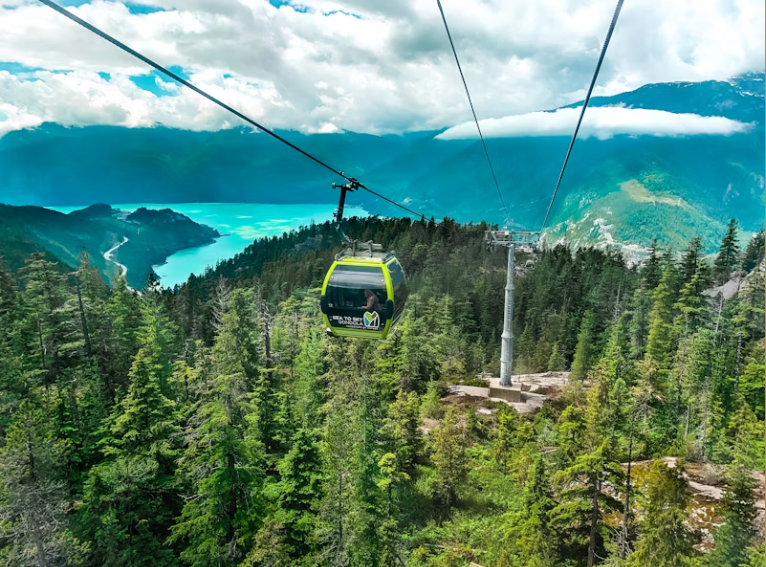
Tourism destinations may use cable cars to transport visitors across mountains, valleys, parks, or elevated attractions.
These systems may experience significant passenger traffic during holidays, weekends, and peak tourism seasons. A scheduled cable car maintenance Philippines program can help operators prepare equipment for periods of increased usage.
Industrial Ropeways
Industrial ropeways can transport materials across difficult terrain or areas where conventional transportation methods may not be practical.
Load requirements, operating cycles, environmental conditions, and material characteristics can affect maintenance requirements.
Recreational Cable Systems
Cable-based attractions, including certain adventure installations, may require regular inspection of cables, supports, platforms, braking components, and other equipment.
Specialized Transportation Systems
Some cable systems are designed for specific locations or operational requirements. Such systems may require customized engineering assessments and maintenance procedures.
Cable Car Inspection and Preventive Maintenance
Preventive maintenance focuses on planned inspection and servicing rather than waiting for equipment failure.
A professional cable car maintenance Philippines program may follow a structured process.
Initial System Assessment
Technicians first review the cable car system, available documentation, operating conditions, equipment configuration, and maintenance history.
Visual Inspection
Visible components are checked for corrosion, cracks, deformation, wear, loose connections, damaged parts, and other observable conditions.
Mechanical Inspection
Mechanical equipment receives closer examination. This may include drive equipment, bearings, gears, shafts, pulleys, brakes, and other moving components.
Cable Inspection
Wire ropes and cables are assessed for wear, corrosion, deformation, broken wires, and other relevant conditions.
Functional Testing
Selected equipment and safety systems may be tested to evaluate operating performance.
Maintenance Recommendations
Inspection findings can be documented and reviewed. Technicians may recommend repairs, adjustments, component replacement, additional testing, or future inspection intervals.
Maintenance Documentation
Proper records help operators track previous inspections, repairs, replacements, and equipment conditions.
Signs That a Cable Car System May Need Maintenance
Operators should pay attention to changes in equipment behavior. Certain signs may indicate that professional inspection is necessary.
Potential warning signs include:
- Unusual vibration
- Excessive noise
- Irregular cable movement
- Unexpected stopping
- Brake performance changes
- Visible cable damage
- Corrosion
- Loose components
- Unusual temperature around mechanical equipment
- Cabin movement changes
- Door or grip concerns
- Abnormal pulley movement
- Increased maintenance frequency
These signs should not be ignored. A qualified technical team can assess the system and determine the appropriate corrective action.
How 828 Cable System Inc. Supports Cable Engineering Projects
828 Cable System Inc. specializes in rope, height, and load engineering. Its services cover a broad range of wire rope and cable-related applications across the Philippines and Asia.
The company provides engineering capabilities related to:
- Fall protection
- Height access solutions
- Ropeway engineering
- Zipline engineering
- Cable engineering
- Load engineering
- Overhead cranes
- Gantry cranes
- Jib cranes
- Automatic hooks
This broad technical scope can be valuable for projects where cable transportation equipment connects with structural, mechanical, or load-handling requirements.
For organizations seeking cable car maintenance Philippines services, working with a company experienced with cable systems can provide access to specialized technical knowledge.
Ropeway Engineering and Cable Car Maintenance
Ropeway engineering covers the planning, design, installation, assessment, and technical support of cable-based transportation systems.
Cable car maintenance is closely connected with ropeway engineering because technicians need to understand how individual components operate as part of the complete system.
Engineering considerations may include:
- Cable configuration
- Load requirements
- Tower positioning
- Drive equipment
- Passenger capacity
- Operating speed
- Cable tension
- Structural support
- Braking arrangements
- Emergency systems
- Environmental conditions
A strong technical foundation can help maintenance teams assess equipment more effectively and provide suitable recommendations.
Cable Car Maintenance Philippines and Safety Planning
Safety planning should form a central part of any cable car maintenance program. Passenger transportation systems require careful attention to equipment condition and operational procedures.
Maintenance teams may review safety-related components such as:
- Emergency brakes
- Drive brakes
- Passenger grips
- Doors
- Communication systems
- Emergency equipment
- Cable condition
- Structural supports
- Access systems
- Control systems
Maintenance should follow the applicable technical requirements, equipment specifications, manufacturer recommendations, and project requirements.
A professional cable car maintenance Philippines provider can help operators establish inspection priorities based on the system’s configuration and operating conditions.
Environmental Factors Affecting Cable Car Systems
Philippine conditions can expose outdoor cable systems to humidity, rainfall, heat, salt air, dust, and other environmental factors. These conditions may contribute to corrosion and equipment deterioration.
Mountainous locations may also expose ropeways to strong winds, changing temperatures, rain, and other weather conditions.
Regular cable car maintenance Philippines inspections can help identify environmental effects before they cause more extensive equipment concerns.
Maintenance planning may consider:
- Corrosion protection
- Drainage
- Lubrication
- Cable condition
- Structural coatings
- Electrical equipment protection
- Weather exposure
- Water accumulation
- Debris removal
Choosing a Cable Car Maintenance Philippines Service Provider
Selecting a technical service provider requires careful consideration. Cable car maintenance involves specialized equipment, engineering knowledge, and safety requirements.
Organizations can evaluate providers based on:
Technical Experience
Look for a company with experience working with cables, wire ropes, ropeways, lifting systems, and related engineering applications.
Engineering Capability
A provider with engineering knowledge can evaluate equipment beyond basic visual inspection.
Installation and Service Support
Companies capable of both installation and maintenance may offer better continuity throughout the equipment lifecycle.
Understanding of Load Requirements
Cable systems operate under specific loads. Knowledge of load engineering can support more accurate technical assessment.
Documentation
Maintenance findings should be documented clearly so operators can track equipment condition and corrective work.
Project-Specific Solutions
Every ropeway system has different equipment, operating conditions, and maintenance requirements. Technical recommendations should match the actual system.
Preventive Maintenance Schedule for Cable Cars
Maintenance frequency depends on equipment design, usage, manufacturer requirements, environmental exposure, and operating conditions.
A maintenance plan may include:
Daily or routine checks:
Operators can monitor visible equipment condition, unusual sounds, cable movement, passenger units, and basic operating behavior.
Periodic inspections:
Technicians can conduct more detailed mechanical, structural, cable, and safety equipment inspections.
Scheduled servicing:
Lubrication, adjustment, component servicing, and other planned maintenance tasks can be performed based on equipment requirements.
Major inspection:
A more extensive technical assessment may be scheduled at appropriate intervals based on system specifications and operational requirements.
A professional cable car maintenance Philippines program should be customized around the actual ropeway rather than applying one maintenance schedule to every system.
Benefits of Professional Cable Car Maintenance Philippines Services
Professional maintenance provides several practical advantages for cable car operators.
Improved Equipment Performance
Routine inspection and servicing can help equipment operate closer to its intended performance.
Better Asset Management
Maintenance records provide useful information for planning equipment upgrades and replacements.
Reduced Operational Disruptions
Early identification of equipment concerns can reduce the chance of unexpected shutdowns.
Enhanced Safety Monitoring
Regular technical assessments help operators monitor critical safety components.
Better Maintenance Budget Planning
Planned maintenance can make it easier to anticipate servicing and component replacement costs.
Why Choose 828 Cable System Inc.?
828 Cable System Inc. brings specialized knowledge across rope, height, cable, and load engineering. As a company established under the Benedicto Steel Group, it serves the rigging industry through technical services and engineered solutions.
Its service areas include fall protection, height access, ropeway engineering, zipline engineering, cable engineering, and load engineering.
For organizations seeking cable car maintenance Philippines services, this range of technical capabilities provides a useful foundation for projects involving complex cable and rope systems.
The company’s work can support industrial, commercial, recreational, construction, and specialized engineering requirements.
Building a Reliable Cable Car Maintenance Program
A reliable maintenance program requires more than occasional equipment checks. Operators need a planned approach covering inspection, servicing, documentation, corrective action, and future maintenance.
A practical program should begin with a complete understanding of the ropeway system. Equipment records, manufacturer specifications, operating history, inspection findings, and previous repairs can help technicians establish suitable maintenance priorities.
Regular inspections should then monitor cable condition, mechanical equipment, braking components, structural supports, passenger units, and safety systems.
When technicians identify concerns, corrective action should be planned according to the severity and technical nature of the issue.
This structured approach can help support safer operations, equipment reliability, and longer service life.
Takeaway
Reliable cable transportation requires consistent technical attention. Cable cars depend on cables, mechanical systems, structural supports, braking equipment, passenger units, and safety components working together. Regular inspection and professional servicing can help operators detect wear, manage equipment condition, and reduce unexpected operational concerns.
Cable car maintenance Philippines services are especially important for tourism facilities, resorts, industrial operations, recreational attractions, and specialized transportation projects that depend on cable-based systems.
828 Cable System Inc. offers specialized engineering capabilities covering ropeway engineering, cable engineering, height access, fall protection, zipline engineering, and load engineering. Its experience with wire rope and cable-related projects provides a strong technical foundation for organizations seeking professional support.
For cable car operators and project owners, a planned maintenance program can support reliable equipment performance, safety monitoring, and long-term asset management.
Frequently Asked Questions About Cable Car Maintenance Philippines
What does cable car maintenance include?
Cable car maintenance may include cable inspection, mechanical equipment checks, brake inspection, structural assessment, lubrication, alignment checks, safety system testing, component replacement, and maintenance documentation.
How often should cable cars undergo maintenance?
Maintenance frequency depends on the ropeway design, operating hours, passenger volume, environmental conditions, manufacturer requirements, and applicable technical standards. A qualified technical team can recommend an appropriate inspection and servicing schedule.
Why is wire rope inspection important?
Wire ropes are critical components of many cable transportation systems. Inspection can identify corrosion, broken wires, deformation, abrasion, fatigue, and other conditions that may affect system performance.
Can 828 Cable System Inc. support ropeway engineering projects?
Yes. 828 Cable System Inc. provides ropeway engineering and cable engineering services alongside fall protection, height access, zipline engineering, and load engineering solutions.
Does cable car maintenance include structural inspection?
A maintenance program may include assessment of towers, supports, connections, fasteners, and other structural components, depending on the scope of the project and the ropeway system.
What environmental factors affect cable cars?
Rain, humidity, heat, salt air, dust, strong winds, and other outdoor conditions may affect cable systems and supporting equipment. Regular inspection can help identify corrosion, wear, and environmental deterioration.
Can preventive maintenance reduce unexpected downtime?
Regular inspection and planned servicing can help identify equipment concerns before they become major operational problems. This can support better maintenance planning and reduce unexpected interruptions.
Why choose a specialized cable engineering company?
Cable car systems involve specialized equipment and multiple interconnected components. A technical company with experience across cable engineering, ropeway systems, height access, and load engineering can provide a broader understanding of system requirements.
Who can provide cable car maintenance Philippines services?
Organizations should seek qualified engineering and technical service providers with suitable experience covering cable systems, ropeways, wire ropes, mechanical equipment, structural components, and safety systems. 828 Cable System Inc. provides specialized services related to ropeway engineering, cable engineering, height access, fall protection, zipline engineering, and load engineering.